.jpg)
Navigate Your Rights: Understanding Tenancy Laws in British Columbia
- Calmora Property Management

- Sep 7, 2025
- 5 min read
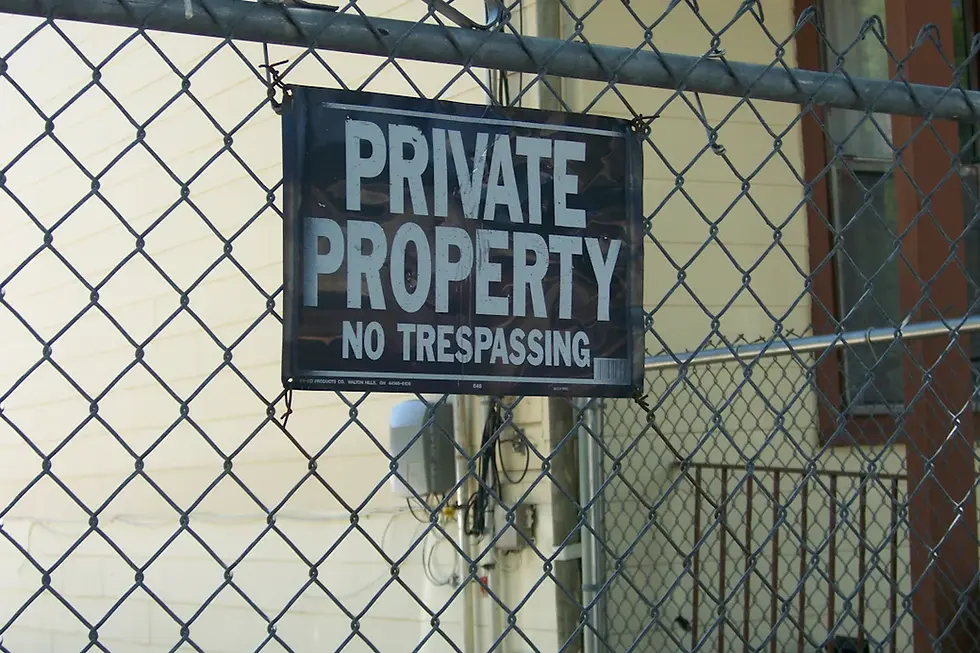
Understanding tenancy laws is crucial for both landlords and tenants in British Columbia. With several nuances and regulations governing rental agreements, it can be daunting to ensure compliance and protect your rights. This comprehensive guide aims to clarify key aspects of tenancy laws in BC, shedding light on the responsibilities and rights of both parties involved. Whether you're new to renting or a seasoned property owner, grasping these laws can make your experience much smoother and more enjoyable.
The Importance of Tenancy Laws
Tenancy laws in British Columbia serve a dual purpose: they protect tenants’ rights while also allowing landlords to manage their properties effectively. Knowing these laws can prevent conflicts and promote a positive rental experience. Understanding legislation such as the Residential Tenancy Act is essential for anyone involved in the rental market.
Who is Covered Under Tenancy Laws?
In British Columbia, tenancy laws apply to most residential rental agreements, which include:
Residential tenancies
Room rentals
Long-term and short-term leases
However, certain situations may fall outside the traditional rental agreements, such as living arrangements where a person rents a room in a non-commercial setting or an agreement where rent is not charged. Therefore, understanding your specific situation will help you identify whether you are covered under the Residential Tenancy Act.
Key Tenancy Laws in British Columbia
Here are some critical laws that every landlord and tenant in British Columbia should be aware of:
1. Residential Tenancy Agreement
Before a tenant moves in, a written rental agreement is essential. This legal document outlines the rights and responsibilities of both parties, including rent amount, payment due dates, and termination conditions. Having a clear agreement can prevent misunderstandings in the future.
2. Rental Increases
In British Columbia, rent increases are regulated, providing a predictable framework for both landlords and tenants. According to the law, landlords may raise rent once every 12 months and must provide at least three months' notice. Note that there is a maximum allowable increase set by the government yearly, which landlords should adhere to.
3. Security Deposits
Landlords can collect a security deposit, but it cannot exceed half a month's rent. This deposit must be held in trust and returned at the end of the tenancy, minus any legitimate deductions for damages beyond normal wear and tear.
4. Tenant's Rights
Tenants in BC have several rights, including:
The right to a safe and healthy living environment
The right to privacy, where landlords cannot enter without proper notice
The right to contest eviction orders in specific circumstances
5. Landlord’s Responsibilities
Landlords also have obligations under tenancy laws, which include:
Maintaining the property to meet health and safety standards
Providing proper notice for inspections
Returning security deposits in a timely manner
Ending a Tenancy Agreement
Ending a tenancy can be as complex as starting one. Both landlords and tenants must follow specific procedures. Tenants usually must provide 30 days written notice, while landlords may have various grounds for terminating a tenancy, such as needing to occupy the unit for personal use or major repairs. However, they are required to adhere to strict rules set by the Residential Tenancy Branch.
Common Reasons for Termination
Some common reasons that can warrant tenancy termination include:
Non-payment of rent
Violating rental agreement terms
Excessive property damage
Illegal activities on the premises
Dispute Resolution
Despite best intentions, disputes can arise between landlords and tenants. Fortunately, there are structured processes in place for resolving these issues. The Residential Tenancy Branch offers resources, advice, and arbitration for grievances about lease violations, maintenance issues, or eviction disputes.
Steps to Resolve Disputes
If you encounter a disagreement, you might consider the following steps:
Communicate directly with the other party to address concerns
Document all communications related to disputes
Utilize the Residential Tenancy Branch mediation services if direct communication fails
Role of Property Managers
Many landlords in British Columbia choose to hire property management companies for various reasons. Professionals specializing in Property Management in Vancouver, for instance, can alleviate the challenges of managing rentals and ensure compliance with local laws. Effective property management can lead to smooth operations and healthier relationships between landlords and tenants.
Benefits of Working with Property Managers
Property managers can provide numerous advantages, including:
Expertise in local tenancy laws and regulations
Assistance with finding qualified tenants
Collection of rent and management of security deposits
Handling maintenance requests and property inspections
In cities like Burnaby and Coquitlam, professional Property Managers Burnaby and Coquitlam Property Managers can significantly streamline property management processes, allowing landlords to focus on maximizing rental revenues instead of getting bogged down in administrative tasks.
Choosing the Right Apartment Property Management in Vancouver
If you're considering hiring a property management service, understanding what to look for can help you make the best choice:
Experience: Look for firms with a strong reputation in apartment property management in Vancouver. They should provide testimonials or case studies demonstrating their successes.
Services Offered: Ensure that the property management service provides all necessary services, from tenant screening to maintenance support.
Fees and Policies: Understand their fee structure, cancellation policy, and any additional costs that may arise.
Communication: Choose a company that values open and transparent communication, as this is key to successful property management.
Tenancy Resources in British Columbia
For anyone looking for additional information, numerous resources are available:
BC Residential Tenancy Branch– Official government website with detailed tenancy laws and guidelines.
Residential Tenancy Ombudsperson– Independent third-party service offering assistance in dispute resolution.
Landlord BC– A resource hub for landlords looking for helpful guidelines and support.
Wrap Up Your Renting Rights!
Understanding tenancy laws in British Columbia equips both landlords and tenants with the tools to navigate the rental landscape more effectively. By familiarizing yourself with your rights and responsibilities, you can cultivate a positive renting experience that benefits everyone involved. Whether you're a landlord looking for expert Rental Management Vancouver services or a tenant seeking clarity on your rights, the knowledge you've gained here is your first step towards successful rental harmony. Take charge of your renting journey today, and enjoy the benefits of knowing your rights and responsibilities!
FAQs
What are tenancy laws in British Columbia?
Tenancy laws in British Columbia protect both tenant and landlord rights while regulating rental agreements, ensuring a fair and compliant rental experience.
Who is covered under tenancy laws in BC?
Tenancy laws generally apply to most residential rental agreements, including residential tenancies, room rentals, and both long-term and short-term leases.
What are a tenant's rights in British Columbia?
Tenants in BC have several rights, including the right to a safe living environment, the right to privacy, and the right to contest eviction orders under specific circumstances.
How can a tenancy agreement be terminated in BC?
Ending a tenancy usually requires tenants to provide 30 days written notice, while landlords must follow specific grounds for termination outlined by the Residential Tenancy Branch.
What resources are available for tenancy disputes in BC?
The Residential Tenancy Branch offers resources for dispute resolution, including mediation services and guidance on lease violations, maintenance issues, and eviction disputes.
